Funny SVG: I May Be Wrong but Doubt It Review
As a designer who has spent years navigating the fine line between digital graphics and physical stitching, I approach every new asset with a critical eye. When I first encountered Funny SVG, I May Be Wrong but Doubt It, my initial reaction was one of amusement followed by immediate practical assessment. This design belongs to the realm of Crafts and Graphics, but its true value lies in how well it translates from a screen file into a tangible, high-quality finished product. The phrase itself carries a confident, slightly sassy energy that resonates well with modern consumers looking for personality in their wardrobe or home decor.
The Visual Personality and Design Intent
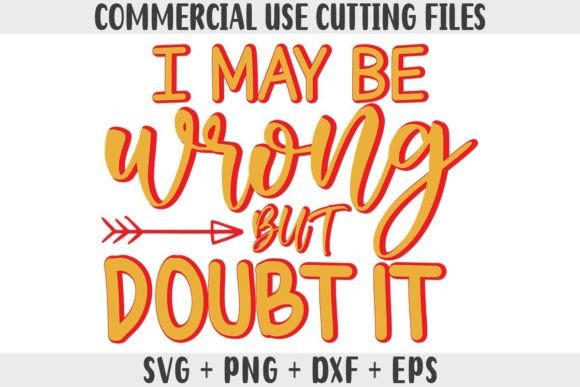
The layout of this design is straightforward, which is often a blessing when converting vector art into an embroidery file. The typography appears bold and legible, avoiding the overly decorative scripts that can turn into a tangled mess of thread on fabric. In my experience, designs like Funny SVG, I May Be Wrong but Doubt It work best when they maintain a strong visual hierarchy. The text needs to pop immediately, whether it is sitting on a heavy cotton sweatshirt or a delicate baby onesie.
When I visualize this as a machine embroidery design, I see potential for a mix of fill stitch for the main body of the letters and perhaps a contrasting satin stitch border to add definition. The mood is lighthearted and relatable, making it an excellent candidate for personalized gifts or small batch runs for a boutique shop. However, the simplicity of the graphic means that the execution quality will be entirely dependent on the digitization and the materials used. A poorly stitched version could look amateurish, while a well-executed piece adds significant value to any handmade product.
Real-World Application: From Tote Bags to Caps
To truly understand the utility of this asset, let's walk through a real-life scenario. Imagine you are preparing a collection of custom tote bags for an upcoming craft fair. You want something that stands out on a crowded table. Using Funny SVG, I May Be Wrong but Doubt It on a sturdy canvas tote bag allows the design to breathe. The flat surface of the bag accommodates the text perfectly, ensuring that the lettering remains crisp and readable.
Now, consider a different application: a baseball cap. Here, the challenge increases. Curved surfaces require careful attention to how the design wraps around the panel. If the text is too long or the stitch density is too high, the fabric may pucker, distorting the message. For custom hats, I would recommend breaking the text into two lines if the hoop size permits, or using a smaller font weight to ensure the stitches lay flat against the curve. This design also works exceptionally well for aprons and kitchen towels, where the humorous tone fits the environment perfectly. A cook wearing an apron with this phrase adds a touch of humor to the kitchen, making it a great item for holiday gifting or bridal showers.
For those focusing on apparel decorators or Etsy sellers, this design is versatile enough for custom apparel ranging from t-shirts to hoodies. On a dark-colored sweatshirt, using bright thread colors like neon yellow or electric blue would make the text stand out dramatically. Conversely, on a light grey tee, a deep navy or black thread offers a more classic, understated look. The key is ensuring the contrast is sufficient so the message is not lost in the fabric texture.
Navigating Technical Challenges and Fabric Limitations
While the design is robust, there are specific situations where caution is required. One common pitfall with text-heavy designs is scaling them down too much. If you attempt to use Funny SVG, I May Be Wrong but Doubt It on a small patch or a tiny baby item, the details may become indistinguishable. Tiny lettering can suffer from thread breakage or blurring if the hoop size forces the machine to stitch too densely in a small area.
Another consideration is the type of fabric. Stretchy materials like jersey knit or spandex blends can distort the shape of the letters during stitching. To combat this, using the correct stabilizer is non-negotiable. A tear-away stabilizer might suffice for woven fabrics, but for stretchy garments, a cut-away stabilizer provides the necessary support to keep the design from warping over time. Additionally, textured fabrics like fleece or corduroy can interfere with the clarity of the running stitch or fill patterns. In these cases, increasing the stitch count slightly or adjusting the underlay can help the thread sink into the nap of the fabric rather than floating on top.
Dark fabrics present their own set of challenges. Without proper backing or underlay, lighter thread colors may show through, creating a muddy appearance. Always test your design on a scrap piece of the actual fabric you intend to use. This simple step can save hours of rework and prevent customer dissatisfaction. Furthermore, products that undergo frequent washing, such as kitchen towels or everyday tees, need durable stitching. Ensure that the knotting and trimming are secure to prevent unraveling after multiple cycles.
Strategic Advice for Craft Business Owners
For the Etsy seller or small shop owner, the success of a listing often hinges on presentation. Before finalizing your production run, create printable mockups to visualize how the design looks on various items. Test the design in both black and white to check the contrast and readability without color bias. This helps in determining if the design holds up across different backgrounds.
It is also crucial to verify the licensing terms before selling finished items or digital files. While the description mentions that these file sets can be used for a wide variety of items including print-on-demand, pillows, and bags, always confirm the specific commercial rights associated with the digital embroidery file. Some licenses restrict the number of items you can sell or require attribution. Understanding these boundaries protects your business and ensures compliance.
When marketing this design, focus on the emotional connection it creates. Customers aren't just buying a shirt; they are buying a statement. Highlight the versatility of the design in your product descriptions. Mention that it works beautifully as an embroidered patch for denim jackets, a playful addition to nursery decor, or a fun accent on holiday embroidery projects. By showcasing the design in context, you build trust and demonstrate professionalism.
Final Thoughts on Value and Execution
In conclusion, Funny SVG, I May Be Wrong but Doubt It is a solid asset for any creative entrepreneur's portfolio. Its strength lies in its relatability and adaptability. However, like any design asset, its final impact depends on the skill of the maker. Take the time to test stitch densities, choose appropriate stabilizers, and match thread colors carefully. Whether you are creating a commercial embroidery project or a one-off personalized gift, attention to detail transforms a simple graphic into a premium product.
By treating this design with the respect it deserves—checking the hoop size, inspecting small details, and ensuring the finished product meets your high standards—you can create items that customers will love and wear proudly. The confidence of the phrase "I may be wrong but doubt it" should be mirrored in the quality of your stitching. With the right approach, this design can become a staple in your shop, driving engagement and sales while bringing a smile to your customers' faces.